
“BDSM is a critical site from which to reimagine the formative links between Black sexuality and violence.”
-
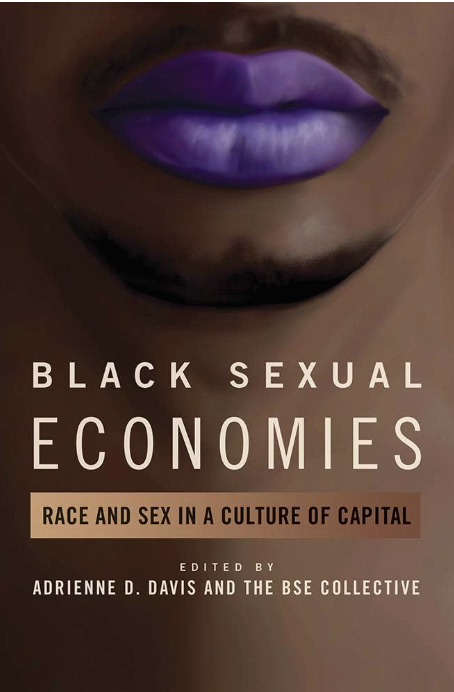
BLACK SEXUAL ECONOMIES: RACE AND SEX IN A CULTURE OF CAPITAL
A daring collaboration among scholars, Black Sexual Economies challenges thinking that sees black sexualities as a threat to normative ideas about sexuality, the family, and the nation. The essays highlight alternative and deviant gender and sexual identities, performances, and communities, and spotlights the sexual labor, sexual economy, and sexual agency to black social life. Throughout, the writers reveal the lives, everyday negotiations, and cultural or aesthetic interventions of black gender and sexual minorities while analyzing the systems and beliefs that structure the possibilities that exist for all black sexualities.
-
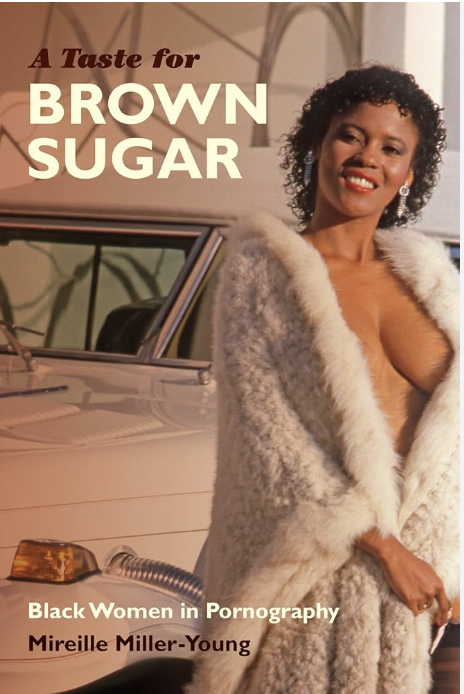
A TASTE FOR BROWN SUGAR: BLACK WOMEN IN PORNOGRAPHY
A Taste for Brown Sugar boldly takes on representations of black women's sexuality in the porn industry. It is based on Mireille Miller-Young's extensive archival research and her interviews with dozens of women who have worked in the adult entertainment industry since the 1980s. The women share their thoughts about desire and eroticism, black women's sexuality and representation, and ambition and the need to make ends meet.
-
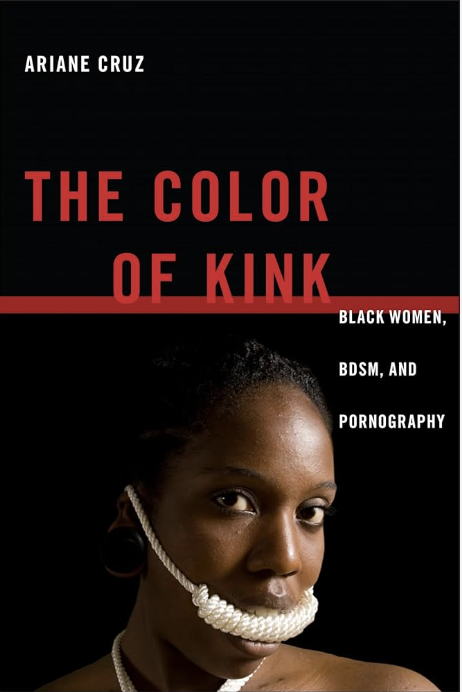
THE COLOR OF KINK: BLACK WOMEN, BDSM AND PORNOGRAPHY
The Color of Kink explores black women's representations and performances within American pornography and BDSM (bondage and discipline, domination and submission, and sadism and masochism) from the 1930s to the present, revealing the ways in which they illustrate a complex and contradictory negotiation of pain, pleasure, and power for black women. Based on personal interviews conducted with pornography performers, producers, and professional dominatrices, visual and textual analysis, and extensive archival research, Ariane Cruz reveals BDSM and pornography as critical sites from which to rethink the formative links between Black female sexuality and violence.
-
To Love, to Obey, to Serve: Diary of an Old Guard Slave
Within these pages are the real life experiences of an extraordinary woman as recorded in her journal. Vi Johnson is one of the most loved and respected women in the leather community. She entered the Leather s/m scene in the 1970's as a slave. A slave's duty was to Love, Honor, Please, and Obey, sometimes blindly, often at great personal cost. To own or life the life of a full time slave is, and has been, the stuff of s/m fantasies and erotic stories. The life recorded here reveals the realities, which are quite different from the fantasies. Most of all this is the journey of a woman following her dream.
-
BLACK SEXUAL POLITICS
In Black Sexual Politics , one of America's most influential writers on race and gender explores how images of Black sexuality have been used to maintain the color line and how they threaten to spread a new brand of racism around the world today.
-
NOBODY IS SUPPOSED TO KNOW: BLACK SEXUALITY ON THE DOWN LOW
Most down-low stories are morality tales in which black men are either predators who risk infecting their unsuspecting female partners with HIV or victims of a pathological black culture that repudiates openly gay identities. In both cases, down-low narratives depict black men as sexually dangerous, duplicitous, promiscuous, and contaminated. In Nobody Is Supposed to Know , C. Riley Snorton traces the emergence and circulation of the down low in contemporary media and popular culture to show how these portrayals reinforce troubling perceptions of black sexuality. Reworking Eve Sedgwick’s notion of the “glass closet,” Snorton advances a new theory of such representations in which black sexuality is marked by hypervisibility and confinement, spectacle and speculation.
-
FUNK THE EROTIC: TRANSAESTHETICS AND BLACK SEXUAL CULTURES
Stallings uses funk to highlight the importance of the erotic and eroticism in Black cultural and political movements, debunking "the truth of sex" and its histories. Brandishing funk as a theoretical tool, Stallings argues that Western theories of the erotic fail as universally applicable terms or philosophies, and thus lack utility in discussions of black bodies, subjects, and culture. In considering the Victorian concept of freak in black funk, Stallings proposes that black artists across all media have fashioned a tradition that embraces the superfreak, sexual guerrilla, sexual magic, mama's porn, black trans narratives, and sex work in a post-human subject position. Their goal: to ensure survival and evolution in a world that exploits black bodies in capitalist endeavors, imperialism, and colonization.
-
NO TEA, NO SHADE: NEW WRITINGS IN BLACK QUEER STUDIES
Building on the foundations laid by the earlier volume, this collection's contributors speak new truths about the black queer experience while exemplifying the codification of black queer studies as a rigorous and important field of study. Topics include "raw" sex, pornography, the carceral state, gentrification, gender nonconformity, social media, the relationship between black feminist studies and black trans studies, the black queer experience throughout the black diaspora, and queer music, film, dance, and theater. The contributors both disprove naysayers who believed black queer studies to be a passing trend and respond to critiques of the field's early U.S. bias. Deferring to the past while pointing to the future, No Tea, No Shade pushes black queer studies in new and exciting directions.
-
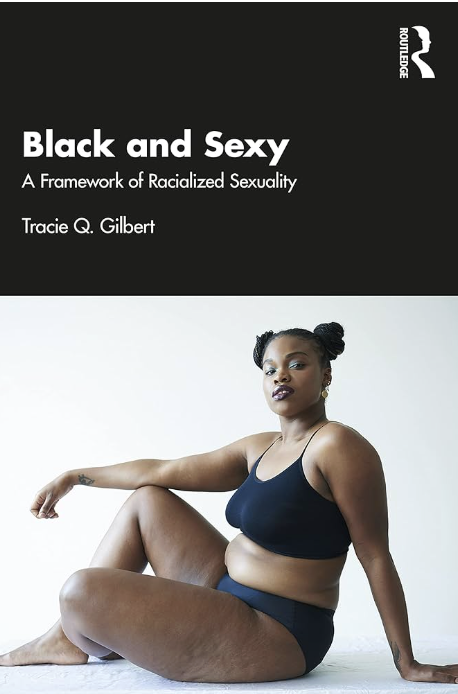
BLACK AND SEXY: A FRAMEWORK OF RACIALIZED SEXUALITY
Tracie Q. Gilbert draws from theoretical perspectives of anti-Blackness, ethno-sexuality, Performative Blackness and African-centered epistemology to implicate race as an inextricable factor in the sexual structures and schema of African American people. Chapters identify and introduce a sex-positive and comprehensive sexological model, Black Sexual Epistemology, through which Black sexuality can be understood and navigated in the contemporary era. This model presents empirical data for effectively applying previous critical race perspectives and uniquely demonstrates how Black sexual experience can be better understood and reimagined for greater community development and healing.
-
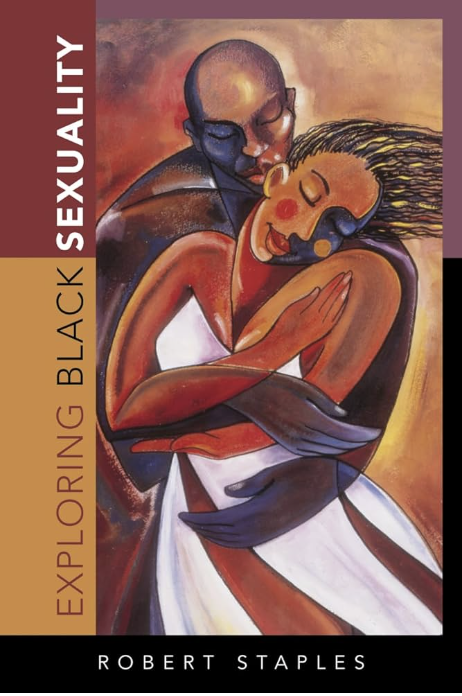
EXPLORING BLACK SEXUALITY
The subject of Black sexuality has been widely discussed in every possible popular format for the past four hundred years, yet serious scholarship in the area is lacking. While Black sexuality has been a pervasive force in American life, it has been too sensitive a topic for Black or white authors to write about in a serious, non-polemical format. Robert Staples explores same-sex attitudes and behavior, interracial sexual relations, rape, prostitution, pornography, and the stereotypes of Black sexual superiority in this scholarly yet accessible collection. Staples shows how vaunted and feared sexual differences were the 'raison d'etre' of Southern school segregation, race-based laws, white flight from the inner cities, the double sexual standard, lynchings, and race riots. This groundbreaking study concludes with a speculation on the future of Black sexuality in the 21st century based on our knowledge of current demographic and economic forces.
-
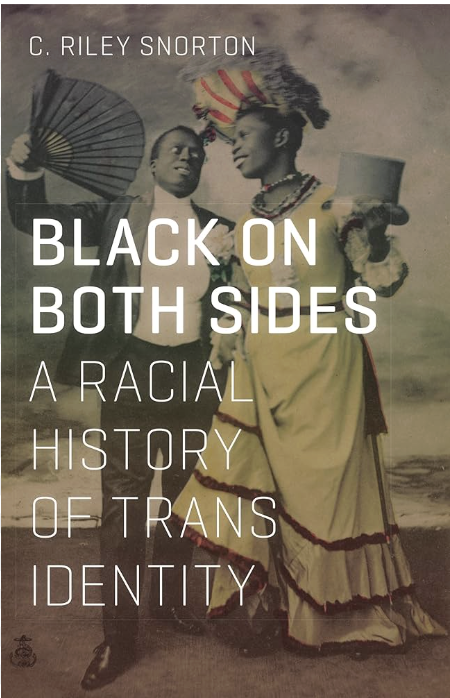
Black on Both Sides: A Racial History of Trans Identity
Drawing on a deep and varied archive of materials—early sexological texts, fugitive slave narratives, Afro-modernist literature, sensationalist journalism, Hollywood films—Snorton attends to how slavery and the production of racialized gender provided the foundations for an understanding of gender as mutable. In tracing the twinned genealogies of blackness and transness, Snorton follows multiple trajectories, from the medical experiments conducted on enslaved black women by J. Marion Sims, the “father of American gynecology,” to the negation of blackness that makes transnormativity possible.
Reconstructing these theoretical and historical trajectories furthers our imaginative capacities to conceive more livable black and trans worlds. -
THE COLONIZATION OF BLACK SEXUALITIES
Written from her unique position as a sex therapist and bi-racial Black woman, Mauro believes that by relearning the history of sexual trauma on African American bodies, clinicians can better assess their client’s intergenerational trauma and inform their work and practice. Chapters address how the patriarchy was an agent in colonization, the impact of colonization on ethnosexuality, slavery, and sexuality, ethnosexual historical traumas and their impact on modern day American sexual behavior, and the continuing effects of sexual violence and sexual health disparities in young Black women and girls. With reflective questions woven throughout, the final chapter guides the therapist through clinical practices meant for grounding, healing, and the promotion of authenticity within this work. It offers tangible insights into dismantling oppressive practices and integrating the material into the reader’s personal and professional lives.
-
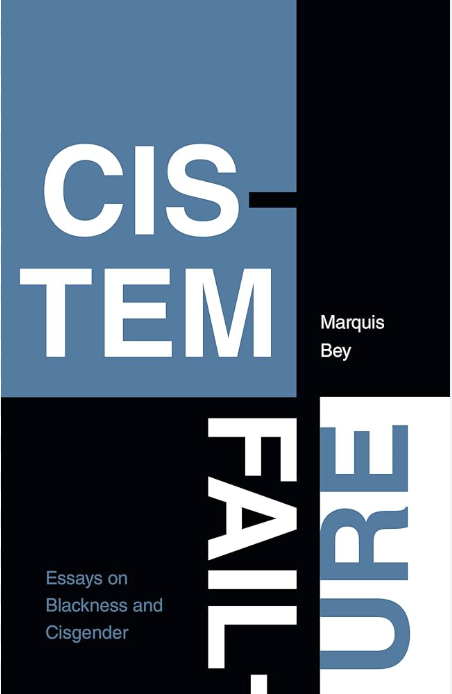
Cistem Failure: Essays on Blackness and Cisgender
In Cistem Failure Marquis Bey meditates on the antagonistic relationship between blackness and cisgender. Bey asks, What does it mean to have a gender that “matches” one’s sex---that is, to be cisgender---when decades of feminist theory have destroyed the belief that there is some natural way to be a sex? Moving from the The Powerpuff Girls to the greeting “How ya mama’n’em?” to their own gender identity, Bey finds that cisgender is too flat as a category to hold the myriad ways that people who may or may not have undergone gender-affirmative interventions depart from gender alignment. At the same time, blackness, they contend, strikes at the heart of cisgender’s invariable coding as just as transness names a non-cis space, blackness implies a non-cis space. By showing how blackness opens up a way to subvert the hegemonic power of the gender binary, Bey makes a case for an antiracist gender abolition project that rejects cisgender as a regulatory apparatus.
-
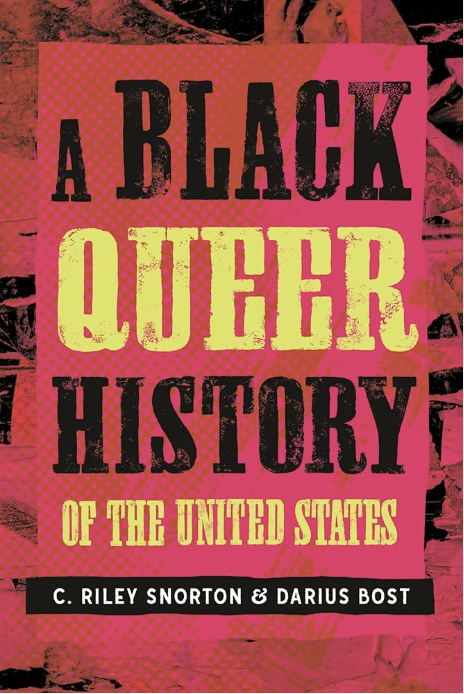
A Black Queer History of the United States
In this latest book in Beacon’s award-winning ReVisioning History series, Professors C. Riley Snorton and Darius Bost unearth the often overlooked history of the Black queer community in the United States.
Arguing that both gender and sexual expression have been an intimate and intricate part of Black freedom struggle, Snorton and Bost present historical contributions of Black queer, trans, and gender non-conforming Americans from slavery to the present day to highlight how the fight against racial injustice has always been linked to that of sexual and gender justice. Through storytelling and other narratives, Snorton and Bost show how the Black queer community has always existed, regardless of the attempts to stamp it out, and how those in it continue to fight for their rightful place in the world. -
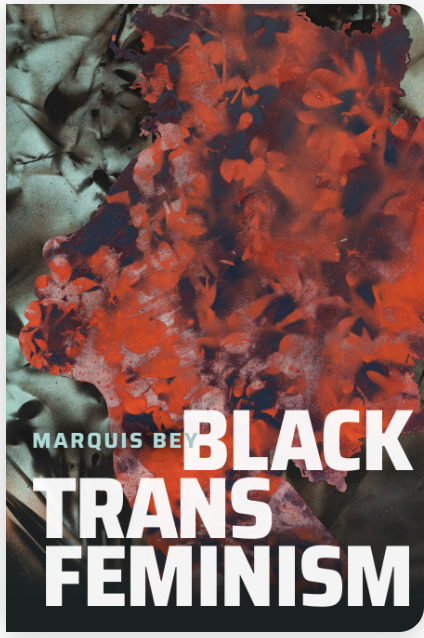
Black Trans Feminism
In Black Trans Feminism Marquis Bey offers a meditation on blackness and gender nonnormativity in ways that recalibrate traditional understandings of each. Theorizing black trans feminism from the vantages of abolition and gender radicality, Bey articulates blackness as a mutiny against racializing categorizations; transness as a nonpredetermined, wayward, and deregulated movement that works toward gender’s destruction; and black feminism as an epistemological method to fracture hegemonic modes of racialized gender. In readings of the essays, interviews, and poems of Alexis Pauline Gumbs, jayy dodd, and Venus Di’Khadijah Selenite, Bey turns black trans feminism away from a politics of gendered embodiment and toward a conception of it as a politics grounded in fugitivity and the subversion of power. Together, blackness and transness actualize themselves as on the run from gender. In this way, Bey presents black trans feminism as a mode of enacting the wholesale dismantling of the world we have been given.
-
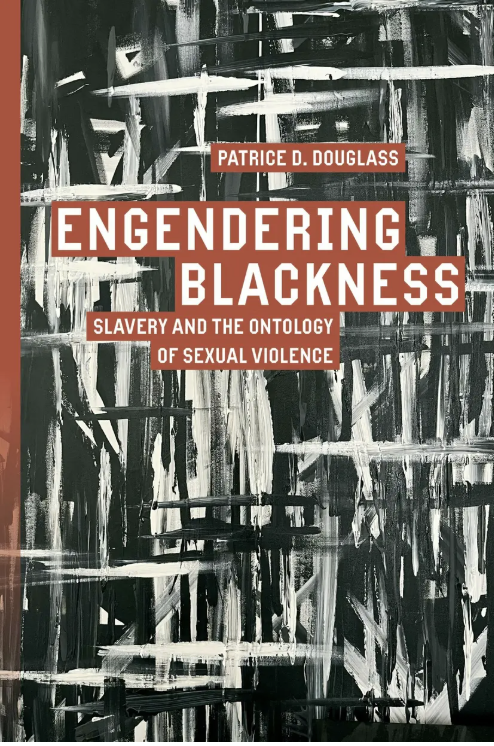
Engendering Blackness: Slavery and the Ontology of Sexual Violence
In this incisive new book, Patrice D. Douglass interrogates the relationship between sexual violence and modern racial slavery and finds it not only inseverable but also fundamental to the structural predicaments facing Blackness in the present. Douglass contends that the sexual violability of slaves is often misappropriated by frameworks on sexual violence that privilege its occurrence as a question of ethics, sexual agency, and feminine orders of gendering. Rather, this book foregrounds Blackness as engendered by sexual violence, which forcefully (re)produces Blackness, corporeally and conceptually, as a condition that lacks the capacity to ontologically distinguish its suffering from what it means to be human. By employing and critically revising Black feminist theory and Afro-pessimism, Douglass reveals that engaging primarily with the sexualization of the slave forces theories of sexual violence to interrogate why this violence—one of the most prevalent under slavery—continues to lack a grammar of fundamental redress.
-
Sex in Public: The Transformative Social Power of Our Erotic Lives
Recent years have seen moral panics over pronouns, polycules, pride parades, and anything trans and queer. What all these controversies have in common is a tendency to cast sex as a problem best solved in private. According to feminist sociologist Angela Jones, we must reject this solitary vision of desire if we are to liberate our sex lives and society at large.
Sex in Public offers a revolutionary new paradigm for understanding sexuality in society. Sex is never strictly personal, Jones shows, but rather inherently social, shaped by power relations and possessing outsized power of its own. To make this case, Jones charts the inner workings of our erotic desires, behaviors, identities, relationships, and communities, and the linkages among them. Grounded in field-leading sociology, decades of sexual science, and the voices of sexual rule-breakers worldwide, Sex in Public pinpoints the repressive forces that distort eroticism, but also reveals our means of breaking free. Better sex is possible, through erotic power that uplifts bodily autonomy, social justice, and shared pleasure. Sex in Public is an invitation to know our sexualities fully, reimagining society as we do. -
African Americans and the Culture of Pain
As an essential element defining black experience in America, pain plays many roles. It is used to promote racial stereotypes, increase the sale of movies and other pop culture products, and encourage advocacy for various social causes. Pain is employed as a tool of resistance against racism, but it also functions as a sign of racism's insidious ability to exert power over and maintain control of those it claims--regardless of race. With these dichotomous uses of pain in mind, King considers and questions the effects of the manipulation of an unspoken but long-standing belief that pain, suffering, and the hope for freedom and communal subsistence will merge to uplift those who are oppressed, especially during periods of social and political upheaval. This belief has become a ritualized philosophy fueling the multiple constructions of black bodies in pain, a belief that has even come to function as an identity and community stabilizer.
-
Sensational Flesh: Race, Power, and Masochism
In everyday language, masochism is usually understood as the desire to abdicate control in exchange for sensation—pleasure, pain, or a combination thereof. Yet at its core, masochism is a site where power, bodies, and society come together. Sensational Flesh uses masochism as a lens to examine how power structures race, gender, and embodiment in different contexts. Drawing on rich and varied sources—from 19th century sexology, psychoanalysis, and critical theory to literary texts and performance art—Amber Jamilla Musser employs masochism as a powerful diagnostic tool for probing relationships between power and subjectivity.
Furthering queer theory’s investment in affect and materiality, she proposes “sensation” as an analytical tool for illustrating what it feels like to be embedded in structures of domination such as patriarchy, colonialism, and racism and what it means to embody femininity, blackness, and pain. Sensational Flesh is ultimately about the ways in which difference is made material through race, gender, and sexuality and how that materiality is experienced.
-
The Toybag Guide to Playing With Taboo
For those turned on to giving or receiving power, the hottest fantasies are often those that are the least acceptable -- those that mirror historical oppression (Nazism, plantation slavery), crime (incest, ageplay, rape), and other "unacceptable" behaviors. Because these fantasies are deeply charged, they are among the riskiest and most challenging to enact. Yet it is possible, and often very rewarding, to do so. In this guide, Mollena Williams, a Black woman who enjoys roleplaying racism and slavery with the right person, explains ways to safeguard these difficult scenes to ensure the emotional and physical safety of all concerned. With sections on playing with sexual taboos like age and rape, cultural taboos like race and identity, and physical taboos like scat play, this is a thorough and responsible guide to BDSM's furthest regions.
-
The Black Body in Ecstasy: Reading Race, Reading Pornography (Next Wave: New Directions in Women's Studies)
In The Black Body in Ecstasy, Jennifer C. Nash rewrites black feminism's theory of representation. Her analysis moves beyond black feminism's preoccupation with injury and recovery to consider how racial fictions can create a space of agency and even pleasure for black female subjects. Nash's innovative readings of hardcore pornographic films from the 1970s and 1980s develop a new method of analyzing racialized pornography that focuses on black women's pleasures in blackness: delights in toying with and subverting blackness, moments of racialized excitement, deliberate enactments of hyperbolic blackness, and humorous performances of blackness that poke fun at the fantastical project of race. Drawing on feminist and queer theory, critical race theory, and media studies, Nash creates a new black feminist interpretative practice, one attentive to the messy contradictions—between delight and discomfort, between desire and degradation—at the heart of black pleasures.
-
CAMMING: MONEY, POWER AND PLEASURE IN THE SEX WORK INDUSTRY
The first inside look at how sex workers use webcams to make a living
The erotic webcam industry, also known as “camming,” is a thriving global business. Angela Jones takes readers inside this multi-billion dollar industry, revealing how its workers experience intimacy, community, empowerment―and, as she compellingly argues, pleasure.
Drawing on in-depth interviews, survey data, web analytics, and more, Jones highlights not only the dangers, but also the rewards, of working in one of the most taboo corners of the Internet. She provides an inside look at the public and private shows between cam models and their customers, from exotic dancing and pornographic videos, to masturbation shows and erotic chatrooms. -
INNER CITY SISSY: A BLACK QUEER LITERACY STORY
Author David B. Green Jr critically reflects on this question, and his journey through life to discover joy and meaning, in this affirming memoir. Inner City Sissy is both a Dear Young Me letter and a love note to Black queer people “from the hood” as it touches on themes of identity, music, acceptance, and resistance through the life course from childhood to adulthood.
Ideal reading for students of Black and African American Studies as well as Queer & LGBT+ Studies, Sociology, literature and musicology, and related courses, this book brings lived experience to the studies of identity formation and intersectionality. -
Sensual Excess: Queer Femininity and Brown Jouissance
Reimagines black and brown sensuality to develop new modes of knowledge production In Sensual Excess, Amber Jamilla Musser imagines epistemologies of sensuality that emerge from fleshiness. To do so, she works against the framing of black and brown bodies as sexualized, objectified, and abject, and offers multiple ways of thinking with and through sensation and aesthetics. Each chapter draws our attention to particular aspects of pornotropic capture that black and brown bodies must always negotiate. Though these technologies differ according to the nature of their encounters with white supremacy, together they add to our understanding of the ways that structures of domination produce violence and work to contain bodies and pleasures within certain legible parameters. To do so, Sensual Excess analyzes moments of brown jouissance that exceed these constraints. These ruptures illuminate multiple epistemologies of selfhood and sensuality that offer frameworks for minoritarian knowledge production which is designed to enable one to sit with uncertainty.
-
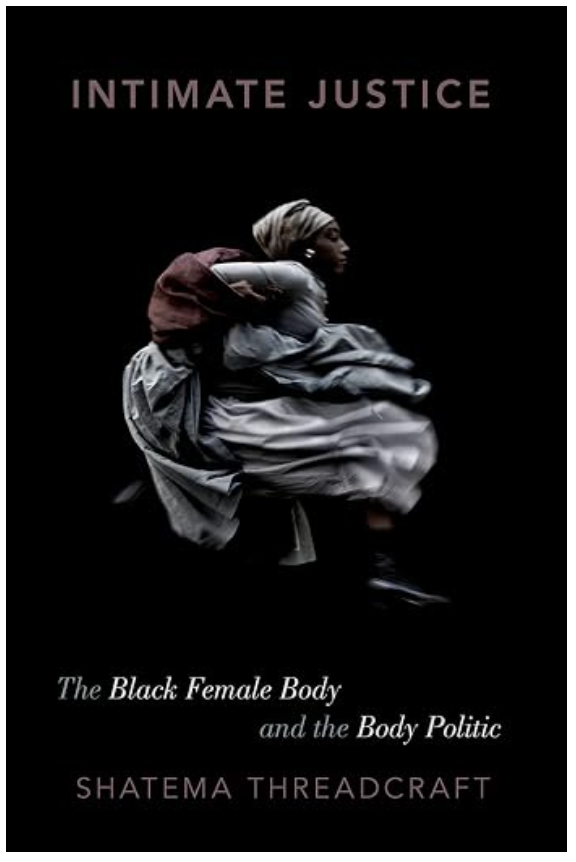
Intimate Justice: The Black Female Body and the Body Politic
In 1973, the year the women's movement won an important symbolic victory with Roe v. Wade , reports surfaced that twelve-year-old Minnie Lee Relf and her fourteen-year-old sister Mary Alice, the daughters of black Alabama farm hands, had been sterilized without their or their parents' knowledge or consent. Just as women's ability to control reproduction moved to the forefront of the feminist movement, the Relf sisters' plight stood as a reminder of the ways in which the movement's accomplishments had diverged sharply along racial lines. Thousands of forced sterilizations were performed on black women during this period, convincing activists in the Black Power, civil rights, and women's movements that they needed to address, pointedly, the racial injustices surrounding equal access to reproductive labor and intimate life in America. As horrific as the Relf tragedy was, it fit easily within a set of critical events within black women's sexual and reproductive history in America,
which black feminists argue began with coerced reproduction and enforced child neglect in the period of enslavement.Intimate Justice charts the long and still incomplete path to black female intimate freedom and equality--a path marked by infanticides, sexual terrorism, race riots, coerced sterilizations, and racially biased child removal policies.
-
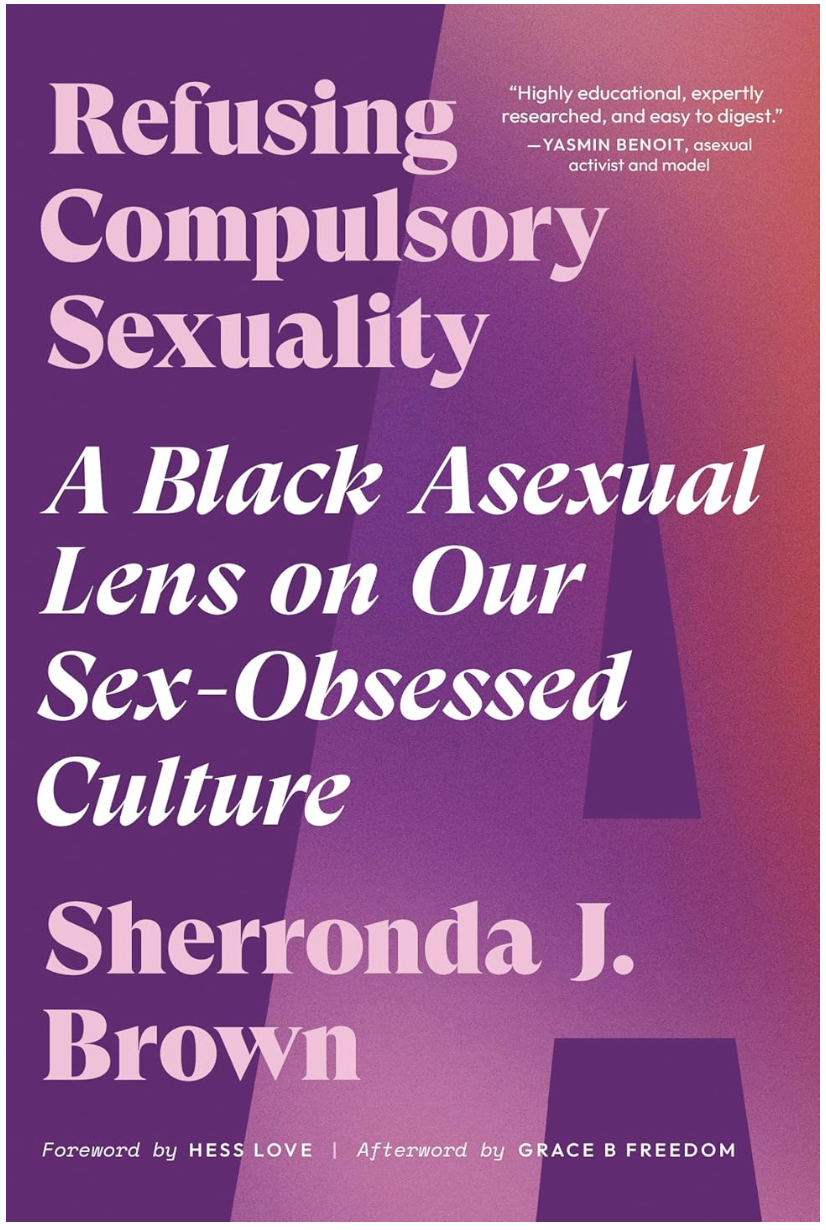
Refusing Compulsory Sexuality: A Black Asexual Lens on Our Sex-Obsessed Culture
Everything you know about sex and asexuality is (probably) wrong.
The notion that everyone wants sex—and that we all have to have it—is false. It's intertwined with our ideas about capitalism, race, gender, and queerness. And it impacts the most marginalized among us. For asexual folks, it means that ace and A-spec identity is often defined by a queerness that's not queer enough, seen through a lens of perceived lack of pleasure, connection, joy, maturity, and even humanity.
In this exploration of what it means to be Black and asexual in America today, Sherronda J. Brown offers new perspectives on asexuality. She takes an incisive look at how anti-Blackness, white supremacy, patriarchy, heteronormativity, and capitalism enact harm against asexual people, contextualizing acephobia within a racial framework in the first book of its kind. Brown advocates for the "A" in LGBTQIA+, affirming that to be asexual is to be queer—despite the gatekeeping and denial that often says otherwise. -
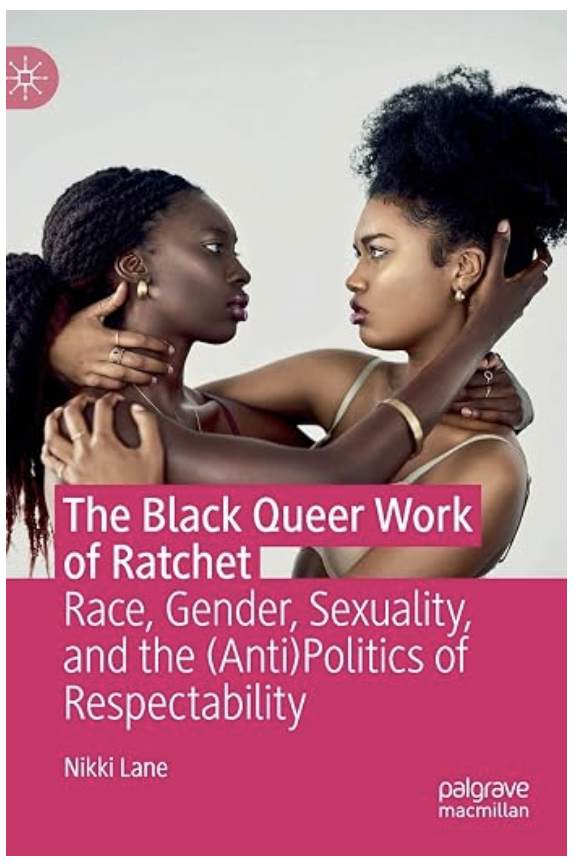
The Black Queer Work of Ratchet: Race, Gender, Sexuality, and the (Anti)Politics of Respectability
This book enters as a corrective to the tendency to trivialize and (mis)appropriate African American language practices. The word ratchet has entered into a wider (whiter) American discourse the same way that many words in African American English have—through hip-hop and social media. Generally, ratchet refers to behaviors and cultural expressions of Black people that sit outside of normative, middle-class respectable codes of conduct. Ratchet can function both as a tool for critiquing bad Black behavior, and as a tool for resisting the notion that there are such things as “good” and “bad” behavior in the first place. This book takes seriously the way ratchet operates in the everyday lives of middle-class and upwardly mobile Black Queer women in Washington, DC who, because of their sexuality, are situated outside of the norms of (Black) respectability. The book introduces the concept of “ratchet/boojie cultural politics” which draws from a rich bodyof Black intellectual traditions which interrogate the debates concerning what is and is not “acceptable” Black (middle-class) behavior. Placing issues of non-normative sexuality at the center of the conversation about notions of propriety within normative modes of Black middle-class behavior, this book discusses what it means for Black Queer women’s bodies to be present within ratchet/boojie cultural projects, asking what Black Queer women’s increasing visibility does for the everyday experiences of Black queer people more broadly.
-
The Erotic Life of Racism
A major intervention in the fields of critical race theory, black feminism, and queer theory, The Erotic Life of Racism contends that theoretical and political analyses of race have largely failed to understand and describe the profound ordinariness of racism and the ways that it operates as a quotidian practice. If racism has an everyday life, how does it remain so powerful and yet mask its very presence? To answer this question, Sharon Patricia Holland moves into the territory of the erotic, understanding racism's practice as constitutive to the practice of racial being and erotic choice.
Reemphasizing the black/white binary, Holland reinvigorates critical engagement with race and racism. She argues that only by bringing critical race theory, queer theory, and black feminist thought into conversation with each other can we fully envision the relationship between racism and the personal and political dimensions of our desire. The Erotic Life of Racism provocatively redirects our attention to a desire no longer independent of racism but rather embedded within it. -
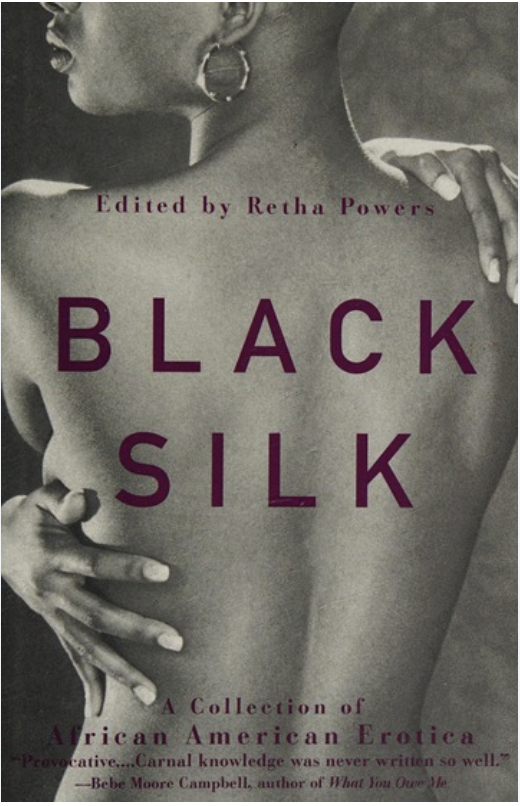
BLACK SILK: A COLLECTION OF AFRICAN AMERICAN EROTICA
Black Silk is filled with lush, sexy stories featuring heroines who are overwhelmingly in control of their love lives and unabashed about their libidinous appetites. The stories are written by the best Black American erotic authors.
-
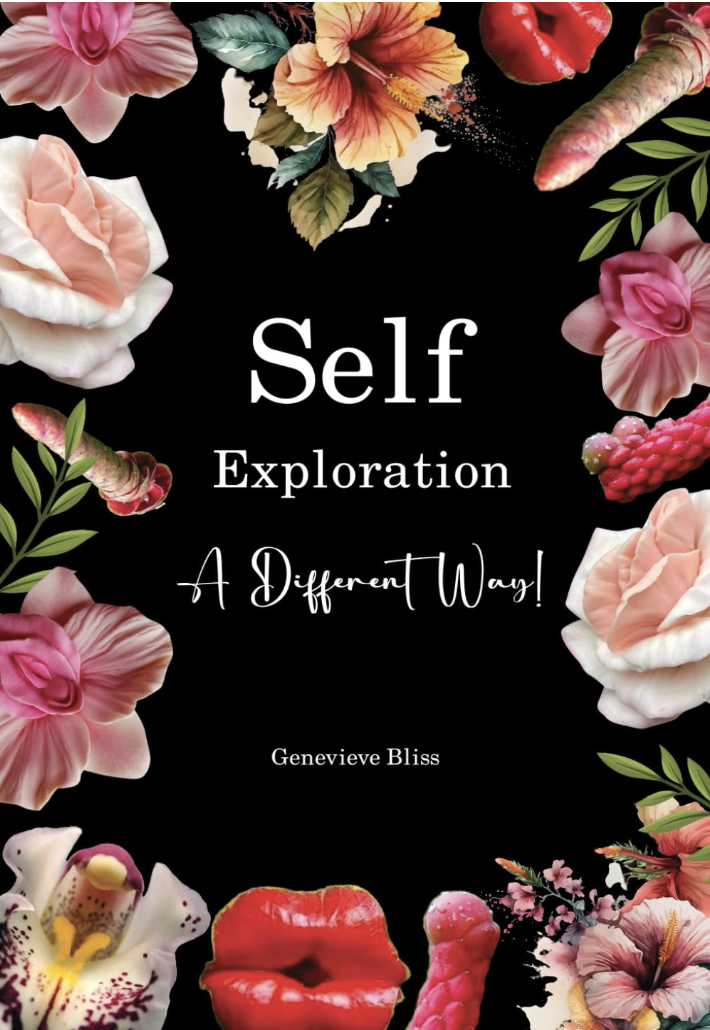
Self Exploration: A Different Way!
This journal is not your typical self-exploration book; this is for you to explore a different side of yourself that you possibly haven’t tapped into...yet!
Are you interested in learning about Kink but don’t know how to start? Here is your answer. I have created an interactive solution for you! This journal gives you Kink and BDSM 101 terms that will provide you with a solid foundation and learn more! I break down standard terms in the community and give you a writing prompt to guide your journaling experience. -
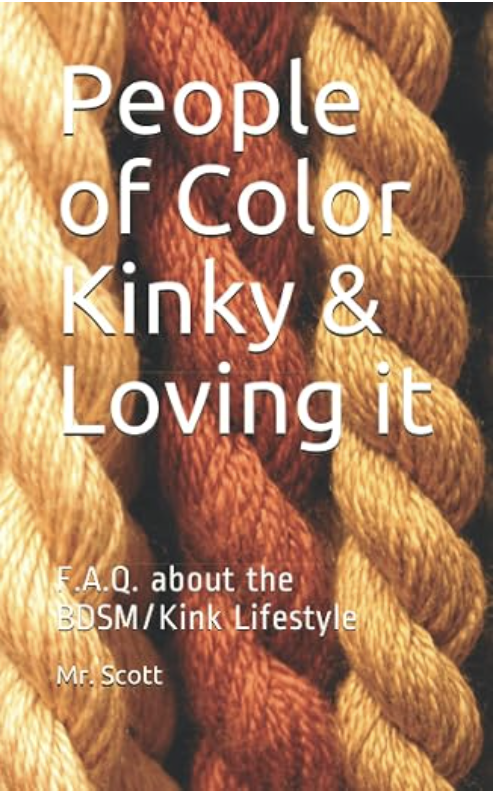
PEOPLE OF COLOR KINKY & LOVING IT
This book was written to be a guide for people new to the BDSM/kink lifestyle. You may find it to be an educational resource that will give an authentic look into our kink world as people of color. The people listed in this book are some of the best at what they do in the community. These individuals are independent trail blazers in the lifestyle. I probed the interviewees for their nuggets of wisdom that will help those new to the BDSM life find their way quicker and safer. Each person was asked to share some tips, tricks and tools on navigating through this wonderful lifestyle.
-
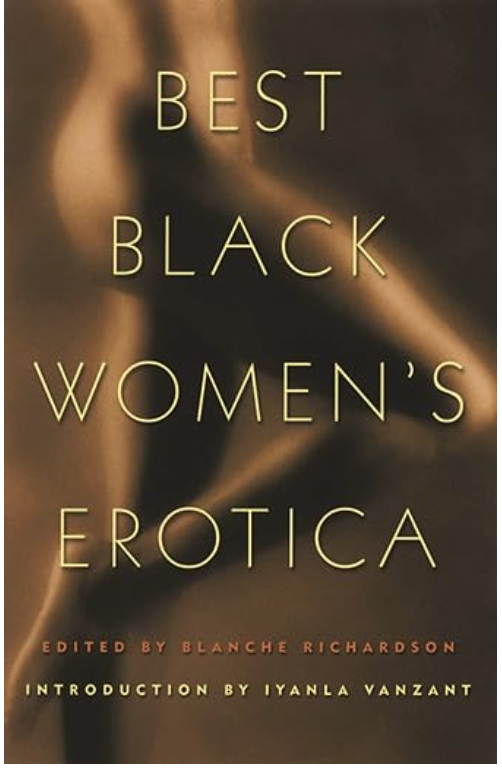
BEST BLACK WOMEN'S EROTICA
Cleis Press’s Best Lesbian Erotica and Best Women’s Erotica series top bestseller lists, raising and exceeding the standards and expectations of readers of erotic fiction with each new edition. Now the African-American women’s erotica market will discover the same level of literate, provocative sex writing in this debut collection of a new series. Best Black Women’s Erotica showcases the hottest, most arousing, and most surprising erotic literature by African-American women writers.